
#networking
6 posts
How a CDN puts your content next door
A site hosted in Virginia can serve you images from a machine in your own city. This covers the three jobs of a CDN, why cache hit ratio is the only metric that really matters, what else edge nodes do, and why CDNs fight to get into internet exchanges.

NTP and time sync: the internet's heartbeat
How far apart can two clocks be before things break? This covers how NTP derives an offset from four timestamps, why stratum measures distance rather than accuracy, why leap seconds are so awkward, and what happens when time gets poisoned.
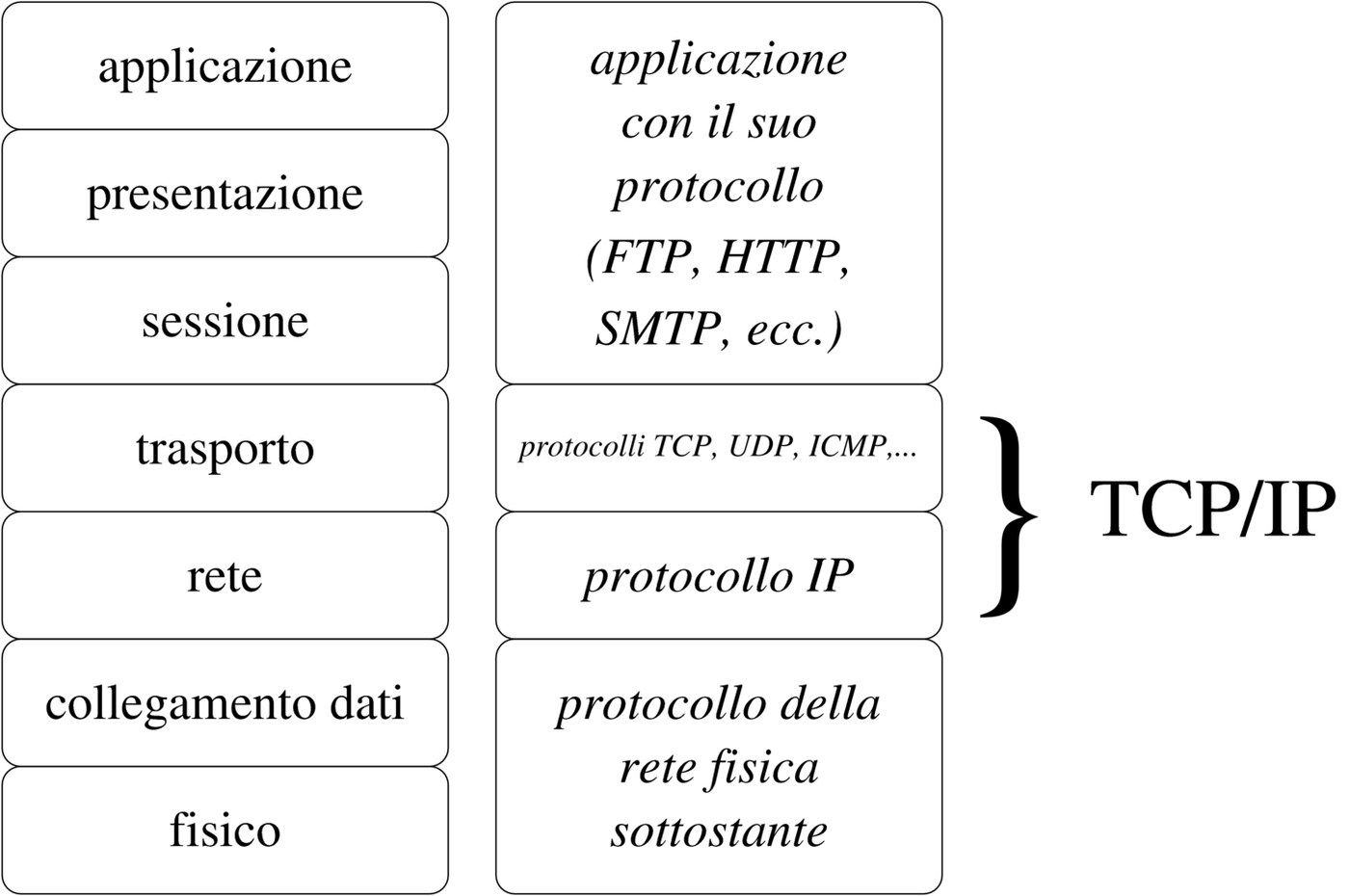
HTTP/3 and QUIC: routing around TCP
HTTP/3 is the first HTTP that does not run on TCP. This covers where TCP head-of-line blocking actually hurts, what QUIC moved into user space, how connection migration works, and what the switch costs.
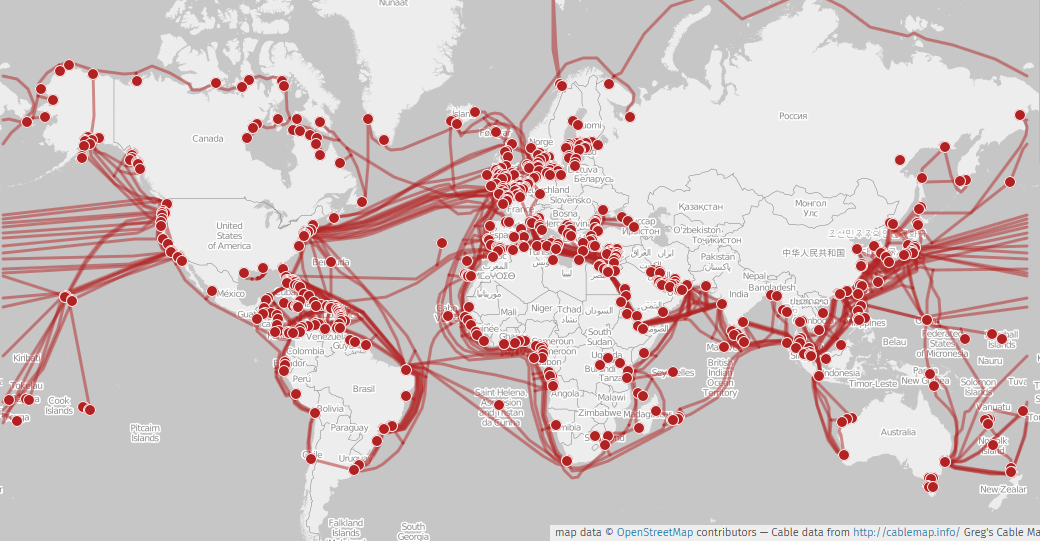
Undersea Cables: The Physical Backbone of the Internet
Every overseas site you open probably travels through a glass fibre on the ocean floor. This is how submarine cables are built, how fragile they are, who lays them, and why satellites cannot replace them.

Low-Earth-Orbit Satellite Internet: Moving the Base Station Into the Sky
Starlink has passed eleven thousand satellites in orbit. LEO constellations cut latency to tens of milliseconds, and bring orbital debris, astronomy and capacity economics along with them.
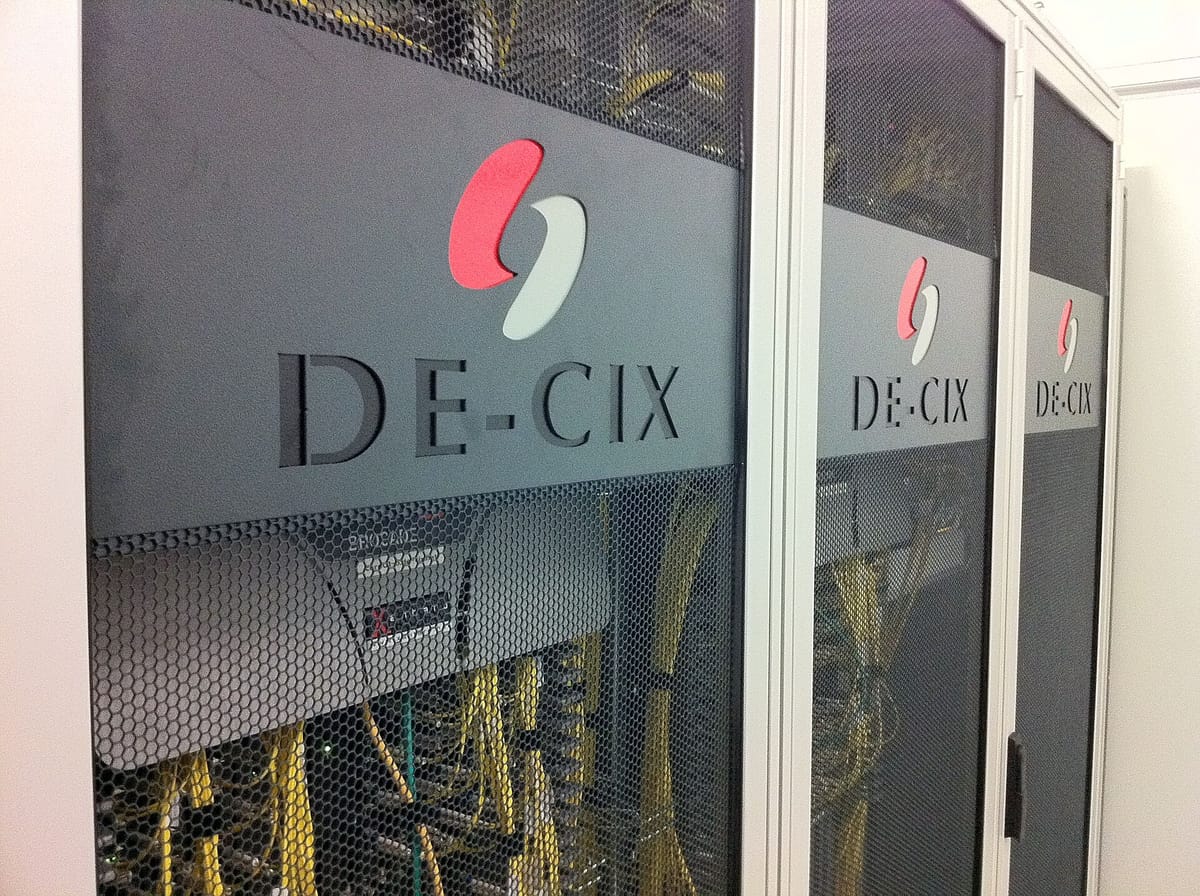
Internet Exchange Points: Where Traffic Changes Hands
Your packets leave your home line, cross a few networks, and change hands at an exchange point. Here is what an IXP is, how peering differs from transit, and why exchanges set bandwidth prices.